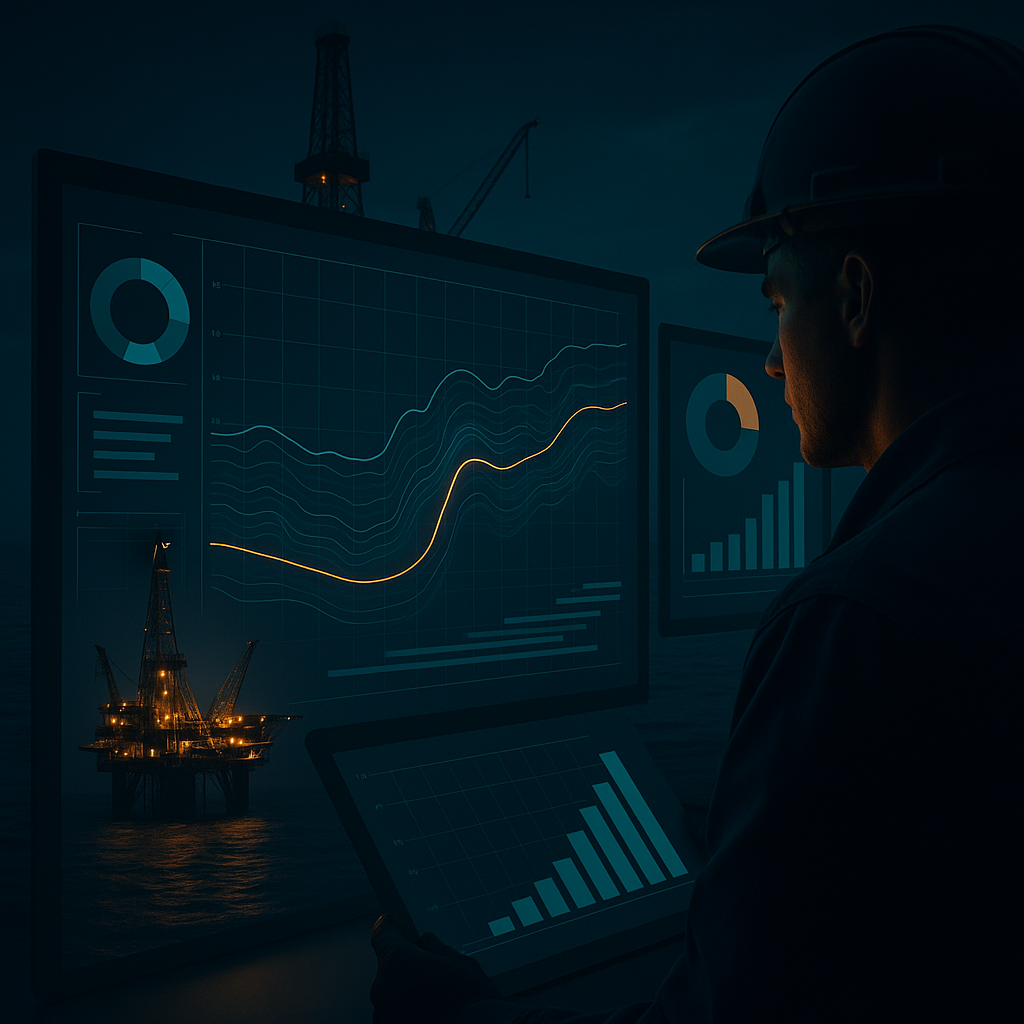
Navigating UK Offshore Industry Market Realities
Introduction
The UK offshore industry is undergoing a transformative phase, driven by technological advancements, regulatory changes, and shifting market dynamics. For geosteering and drilling engineers, understanding these realities is crucial for optimizing operational efficiency and ensuring successful project outcomes. This blog post aims to explore the current landscape of the UK offshore industry, highlight operational challenges, and present practical solutions, particularly in the realm of geosteering.
Understanding the Market Dynamics
Economic Factors Influencing Offshore Operations
The UK offshore oil and gas sector is significantly influenced by global oil prices, regulatory frameworks, and investment trends. A recent SPE paper titled "UK Continental Shelf: Opportunities and Challenges" (SPE-123456) discusses how fluctuating oil prices affect capital expenditure in offshore projects. Engineers must remain vigilant about these economic shifts to adapt their drilling strategies accordingly.
Regulatory Environment and Sustainability
The UK government has been proactive in enforcing regulations aimed at reducing carbon emissions and enhancing sustainability in offshore operations. The Energistics standards provide a framework for efficient data management and reporting, which is essential for compliance with these regulations. For instance, the implementation of the Energy Act 2016 has led to stricter guidelines on emissions, urging geosteering engineers to innovate in their drilling practices.
Technological Advancements in Offshore Drilling
The introduction of advanced technologies such as machine learning, real-time data analytics, and improved geosteering tools has revolutionized the offshore industry. According to the SPE paper "The Role of Digital Technologies in Improving Offshore Drilling Performance" (SPE-789012), digital tools enhance decision-making processes and operational efficiencies. For instance, integrating GeoEngine AI into geosteering operations allows engineers to predict wellbore trajectories more accurately, thereby minimizing drilling hazards.
Challenges Faced by Geosteering Engineers
Managing Geological Uncertainties
Geological complexities present a notable challenge in offshore drilling. The ability to navigate through varying rock properties and unexpected formations is critical. Geosteering engineers often rely on LookAhead technology to anticipate changes in geological formations, enhancing their ability to keep the wellbore in the target zone.
Data Integration and Collaboration
In today’s offshore environment, data integration plays a pivotal role in successful drilling operations. The WITSML Integration standard allows for seamless data sharing among various stakeholders. This is critical for geosteering engineers who must collaborate with drilling teams, geologists, and management to ensure that all parties have access to real-time data for informed decision-making.
Practical Application of Geosteering Techniques
Real-Time Decision Making
Geosteering engineers can leverage tools like the GeoSteering Workspace to visualize real-time data, allowing for immediate adjustments to drilling paths. For example, during a recent North Sea project, engineers utilized DrillTracker to monitor drilling parameters which enabled them to optimize their approach and reduce non-productive time (NPT).
Case Study: Successful Well Placement
In a recent offshore drilling campaign, a geosteering team used the combination of LookAhead and GeoEngine AI tools to navigate a complex geological setting. By accurately predicting formation dips and identifying potential hazards, the team successfully placed the well within the targeted reservoir, resulting in a 25% increase in production rates compared to previous wells in the area.
Summary
Navigating the realities of the UK offshore industry requires a comprehensive understanding of market dynamics, regulatory challenges, and technological advancements. By employing advanced geosteering techniques and tools, engineers can significantly enhance their operational efficiency and project outcomes.
For geosteering and drilling engineers, integrating platforms like GeoSteering Workspace, DrillTracker, LookAhead, and GeoEngine AI into daily operations can streamline workflows and improve decision-making.
GeoMaster handles this natively — Start your free trial.