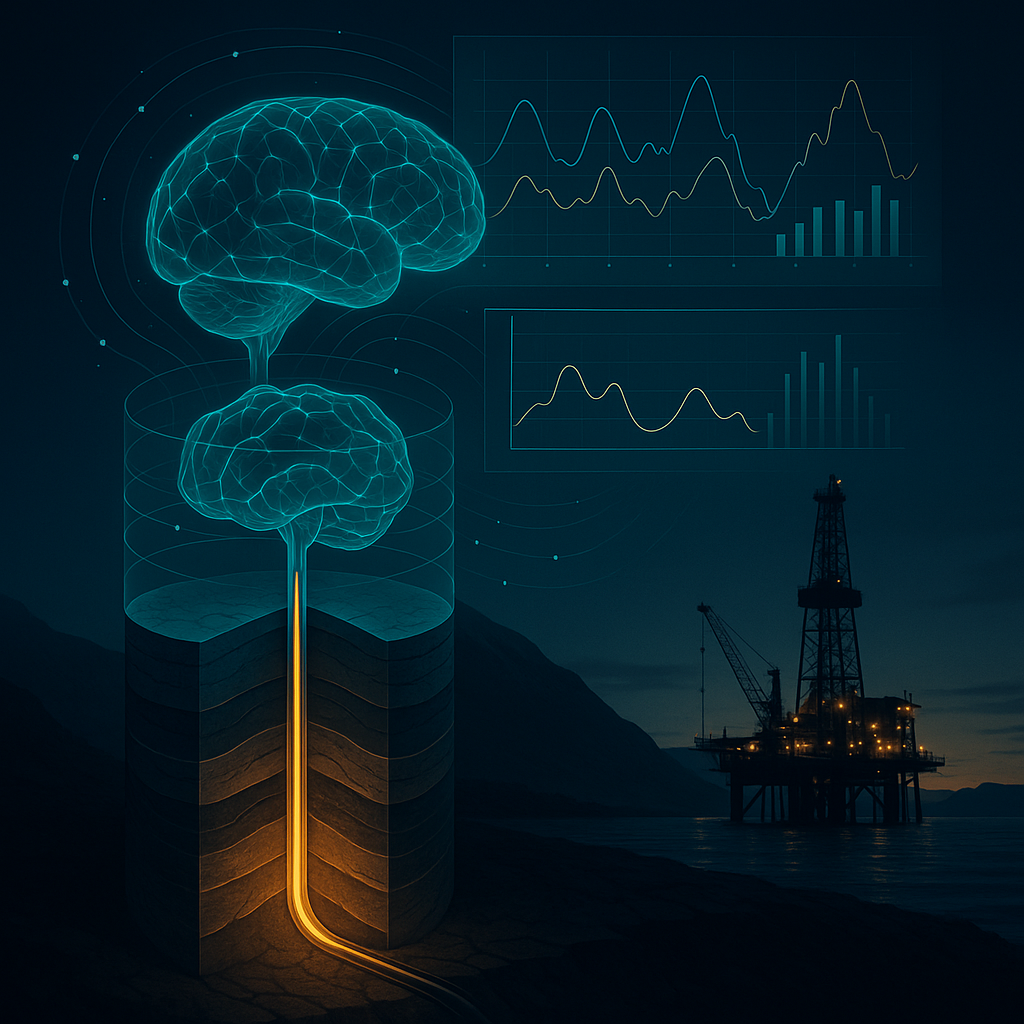
Machine Learning Role in Optimizing Well Life Cycle
In the ever-evolving field of petroleum engineering, the synergy between machine learning and traditional methodologies is proving invaluable. For geosteering engineers and petrophysicists, leveraging machine learning can optimize the entire well life cycle, from exploration to production. This blog post delves into how machine learning techniques can enhance decision-making processes, improve drilling efficiency, and ultimately maximize hydrocarbon recovery.
Understanding the Well Life Cycle
The well life cycle encompasses various stages including exploration, drilling, completion, production, and abandonment. Each stage presents unique challenges and opportunities. Machine learning can assist in each of these stages by analyzing vast amounts of data, identifying trends, and making recommendations based on predictive analytics.
1. Predictive Modeling in Exploration
During the exploration phase, machine learning algorithms can analyze geological data to identify potential drilling sites. Techniques such as supervised learning can be employed to predict the likelihood of hydrocarbon presence based on historical data.
A study by Wang et al. (2019) published in the Society of Petroleum Engineers (SPE) journal highlights how machine learning models can effectively process geological and geophysical data to enhance exploration success rates. By incorporating features such as seismic data and well logs, predictive models can provide a ranked list of potential drilling locations.
2. Real-Time Data Analysis in Drilling
As drilling operations progress, real-time data analysis becomes crucial. Geosteering engineers rely on instantaneous data to make informed decisions about well placement. Machine learning techniques such as anomaly detection can identify drilling issues before they escalate.
For example, GeoMaster's DrillTracker feature utilizes machine learning algorithms to monitor drilling parameters in real-time. By analyzing data streams, DrillTracker can predict potential drilling hazards, enabling engineers to adjust drilling parameters and avoid costly downtime.
3. Enhanced Production Optimization
Machine learning can significantly enhance production optimization through reservoir characterization and performance prediction. By analyzing historical production data, machine learning algorithms can identify patterns that indicate when to optimize production strategies.
A peer-reviewed study by Alshahrani et al. (2021) emphasizes the importance of machine learning in optimizing production from mature fields. By applying machine learning techniques to production data, the authors demonstrate improved forecasting accuracy and enhanced decision-making regarding well interventions and enhanced oil recovery (EOR) strategies.
4. Intelligent Abandonment Strategies
The abandonment phase of the well life cycle is often overlooked, but effective planning can lead to cost savings and environmental protection. Machine learning can analyze historical data to determine the optimal timing and methods for abandonment.
The LookAhead feature from GeoMaster integrates machine learning to forecast the best methodologies for well abandonment, considering factors like reservoir pressure and remaining hydrocarbon potential. This proactive approach can minimize environmental impact and reduce long-term liabilities.
Practical Application
For geosteering engineers, employing machine learning can translate to significant operational improvements. By integrating GeoMaster's GeoSteering Workspace, teams can visualize and interpret subsurface data with advanced analytics, leading to more informed geosteering decisions. Utilizing GeoEngine AI for machine learning applications allows engineers to automate data analysis, enhancing their ability to make swift and accurate decisions during drilling operations.
Moreover, WITSML Integration (WITSML) within GeoMaster facilitates seamless data exchange, ensuring that all stakeholders have access to real-time information. This ensures that machine learning models are fed with the most current data, providing accurate predictions and recommendations.
Summary
Machine learning is revolutionizing the way geosteering engineers and petrophysicists optimize the well life cycle. From predictive modeling in exploration to real-time data analysis during drilling, and intelligent abandonment strategies, the applications are numerous and impactful. By leveraging advanced technologies like GeoMaster, professionals in the petroleum industry can ensure they remain at the forefront of innovation, improving efficiency, safety, and profitability.
GeoMaster handles this natively — Start your free trial.
References
-
Wang, X., Zhang, W., & Zhang, Y. (2019). "Application of Machine Learning in Oil and Gas Exploration: A Review." Society of Petroleum Engineers. DOI: 10.2118/195804-MS.
-
Alshahrani, A., Alharthi, M., & Alhusseini, H. (2021). "Machine Learning for Production Optimization: A Case Study." Society of Petroleum Engineers. DOI: 10.2118/205844-MS.
-
Energistics. (n.d.). "Energistics Standards and Data Exchange." Retrieved from https://energistics.org.