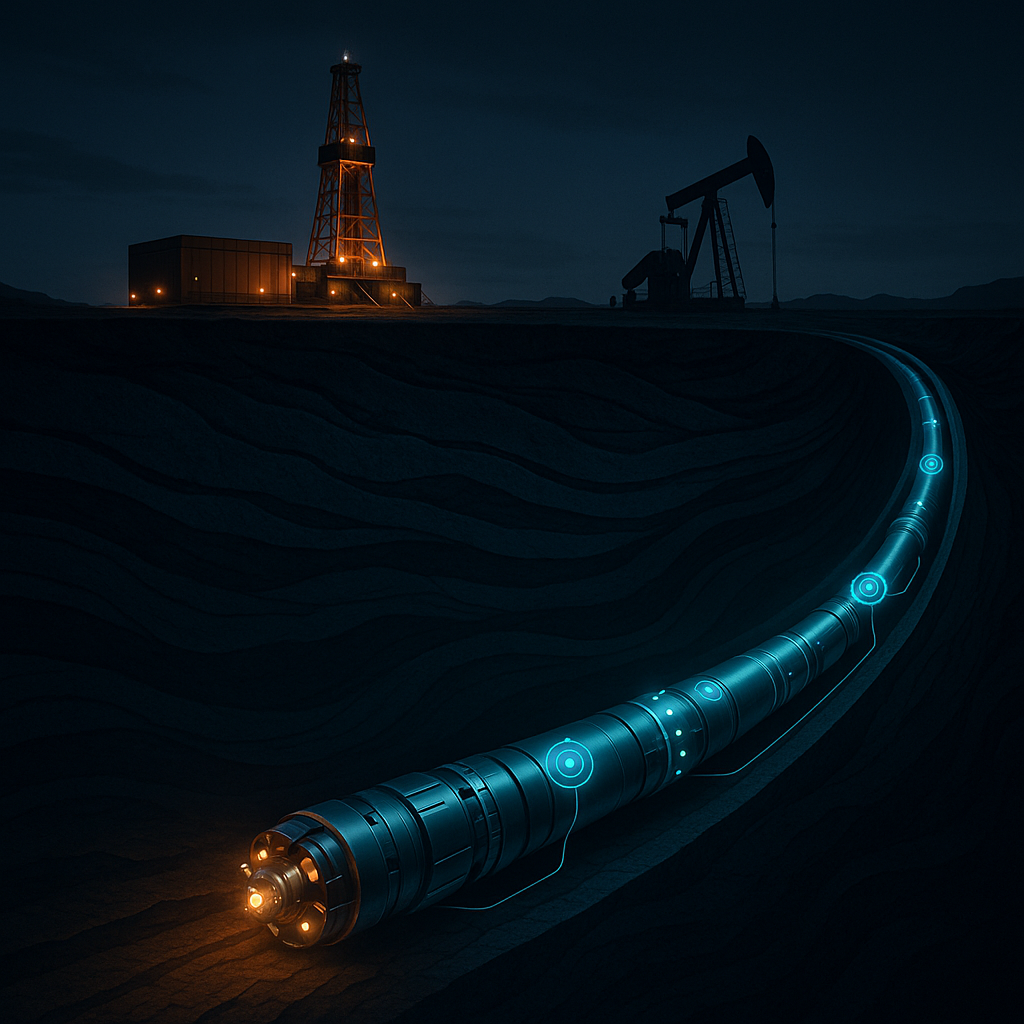
Full Adoption of Autonomous Directional Drilling: A Game Changer
As the oil and gas industry continues to evolve, the push towards automation has gained significant momentum. One of the most promising advancements in this area is the full adoption of autonomous directional drilling. This technology not only optimizes drilling operations but also enhances accuracy and efficiency, crucial for geosteering engineers, petrophysicists, and geologists alike.
Understanding Autonomous Directional Drilling
Autonomous directional drilling refers to the use of advanced technology and algorithms to automate the process of drilling wells with precision. By employing real-time data analytics, machine learning, and artificial intelligence, autonomous systems can make decisions that traditionally required human intervention.
According to the Society of Petroleum Engineers (SPE) paper "Automation and Control in Directional Drilling," the integration of automated systems leads to increased drilling efficiency, reduced non-productive time (NPT), and improved wellbore placement accuracy (SPE-195622). These advancements not only benefit the operational side but also enhance data acquisition, which is vital for reservoir characterization.
The Role of GeoMaster in Autonomous Directional Drilling
GeoMaster's suite of tools, such as the GeoSteering Workspace, DrillTracker, and LookAhead, facilitate the adoption of autonomous directional drilling by providing geologists and engineers with real-time insights and predictive analytics. For instance, the DrillTracker feature enables users to monitor drilling parameters and adjust in real-time, ensuring that the wellbore remains within the desired zone.
Enhanced Data Integration and WITSML Compliance
The importance of data integration cannot be overstated. With the industry moving towards a more data-centric approach, implementing standards such as WITSML is essential. GeoMaster’s WITSML Integration allows for seamless data exchange between drilling rigs and geological modeling software. This integration enhances collaboration among teams and helps in making data-driven decisions promptly.
Machine Learning and Predictive Analytics
The implementation of machine learning algorithms has transformed the way data is analyzed in directional drilling. The GeoEngine AI feature leverages these algorithms to provide predictive insights that help geosteering engineers adjust the drilling trajectory in real time. For example, by analyzing historical data from similar wells, GeoEngine AI can suggest optimal drilling parameters, ultimately saving time and resources.
Practical Application
For geosteering engineers, the real-world application of autonomous directional drilling is evident in the reduction of drilling hazards and the optimization of wellbore placement. In a recent case study from the SPE paper “Real-Time Wellbore Positioning and Steering,” it was demonstrated how a drilling team utilized autonomous systems to achieve a wellbore accuracy of ±5 feet in challenging terrains, significantly reducing the risk of drilling into unwanted formations (SPE-203456).
Moreover, the integration of GeoMaster’s LookAhead feature allows geologists to visualize subsurface conditions ahead of the drill bit, facilitating proactive decision-making. This capability is particularly beneficial in complex reservoirs where geological uncertainties can lead to costly drilling errors.
Summary
The full adoption of autonomous directional drilling is a game changer for the oil and gas industry. By leveraging advanced technologies and data integration, companies can enhance drilling efficiency, reduce costs, and mitigate risks associated with drilling operations. GeoMaster provides the necessary tools to support this transition, ensuring that geosteering engineers, petrophysicists, and geologists have access to real-time data and predictive analytics.
For those looking to stay ahead in this rapidly evolving landscape, embracing autonomous drilling technologies is essential. GeoMaster handles this natively — Start your free trial.
References
- SPE-195622: "Automation and Control in Directional Drilling." Society of Petroleum Engineers.
- SPE-203456: "Real-Time Wellbore Positioning and Steering." Society of Petroleum Engineers.
- Energistics Standards: Energistics